Practical Teaching Cases
Discover how institutions integrate our platforms into practical training and lab construction.
典型案例8:北方工业大学
人数:开展暑期33学生的实践周; 时间:为期一周; 对象:电子信息学院大二和大三的学生;
View DetailsCase 1: Tsinghua University
Tsinghua University iCenter is a practical training center offering engineering innovation courses to the entire university. Students from science, engineering, humanities, and design disciplines participate. Existing courses cover intelligent product design, robot design, engineering & art creativity, and chemistry-related robotics. They needed a new course integrating embodied intelligence technology that could collaborate with other colleges. 1. Integrate embodied intelligence technology, including LLM utilization and robotics engineering, ensuring it is accessible to students.2. Design projects that align with the specific academic backgrounds of various colleges.3. Conduct the course during the summer session, totaling 80 hours over 2 weeks of intensive training. 1. The course was divided into 2 phases. Phase 1 involved building a complete compound robot project, covering chassis design and motion control, robotic arm control, LLM application development, and VLM vision applications. Phase 2 provided 10 mini-projects, allowing students to choose and design a project based on their major, integrating 3D printing and circuit design.2. We provided M-Series 09S products, with students paired in groups of 2-3. Enterprise engineers were arranged as teaching assistants on-site to help resolve technical issues.
View Details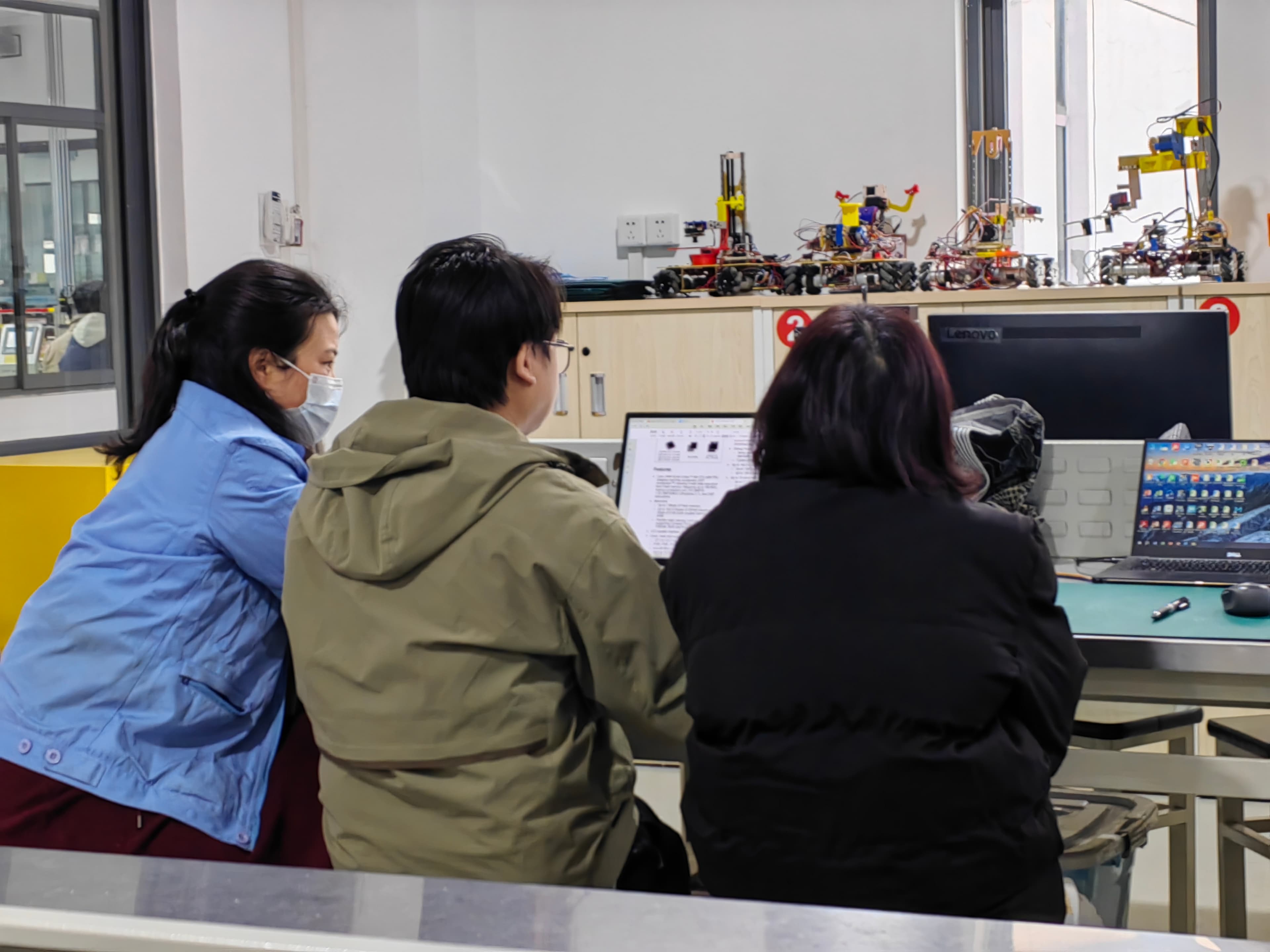
Case 2: Huazhong University of Science and Technology
The robot creative design course at the Engineering Training Center of HUST was previously Arduino-based. While easy to learn, professional tasks mainly rely on STM32. The university wanted students to receive more professional training. 1. Students have basic programming skills but lack hardware knowledge. They requested STM32 libraries similar to Arduino's encapsulation.2. Enable students to learn low-level STM32 development.3. Resolve various backend technical challenges students face in complex projects like logistics transport and smart rescue. 1. Conducted STM32 low-level development training with university teachers to jointly design the curriculum.2. Assisted teachers in encapsulating library functions and providing calling examples to lower the implementation barrier.3. Arranged professional engineers for offline technical support to resolve complex issues.
View DetailsCase 3: National University of Defense Technology (Confidential)
(Due to confidentiality constraints, specific details of this case study are not publicly disclosed.)
View Details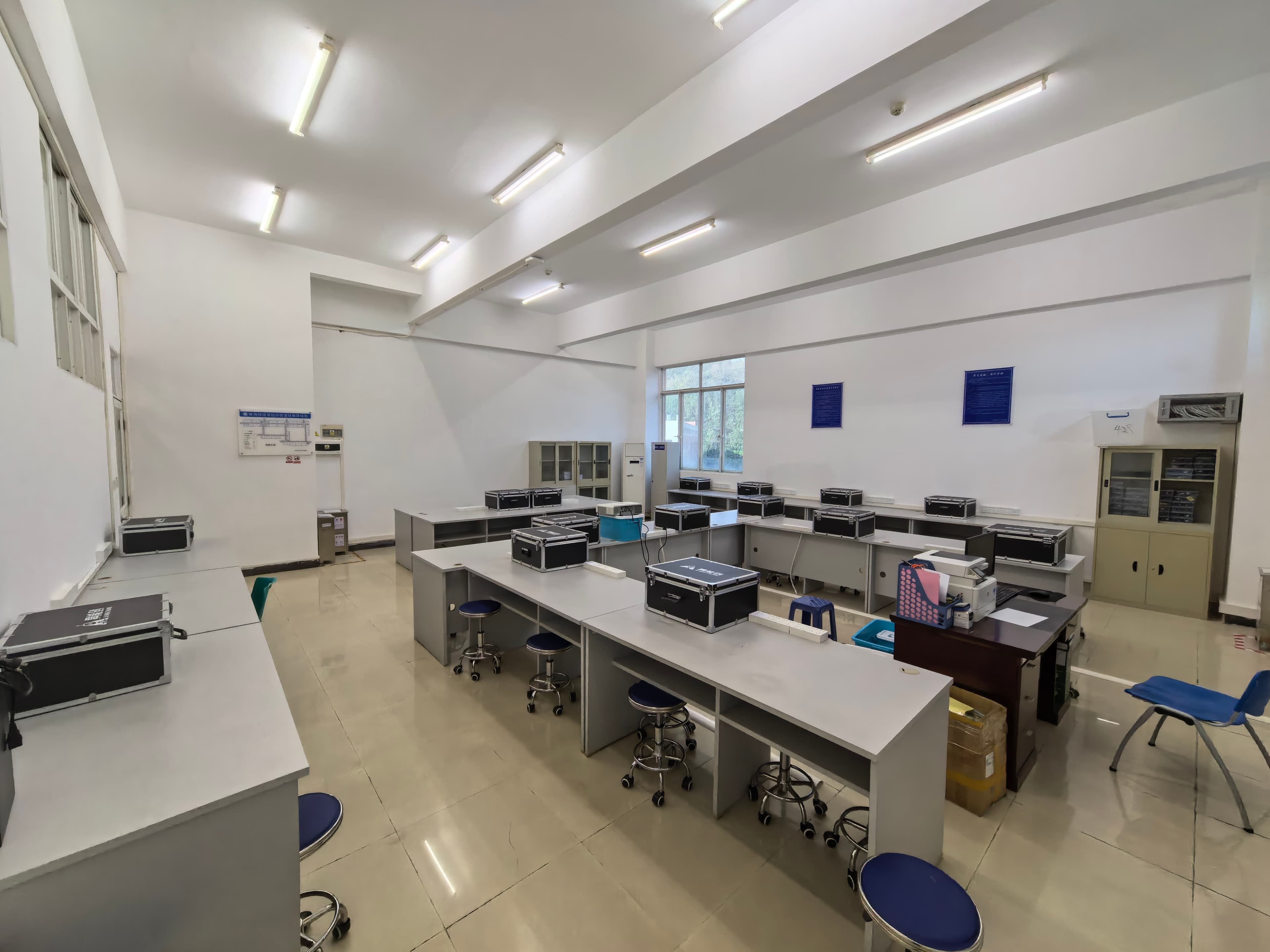
Case 4: Zhuhai College of Science and Technology
The automation major at Zhuhai College of Science and Technology followed traditional industrial automation training, which struggled to meet the demands of modern smart manufacturing scenarios. A curriculum update was urgently needed. 1. Transition the machine vision course from LabVIEW to OpenCV and YOLO.2. Cultivate students' robotics engineering skills for competitions.3. Establish a comprehensive practice course for juniors and reform prerequisite courses around it. 1. Customized 15 sets of M-Series products tailored to their professional training needs.2. Collaborated with faculty to develop courses on machine vision, machine learning, and mobile robot system design, effectively integrating AI technologies with traditional automation education.
View Details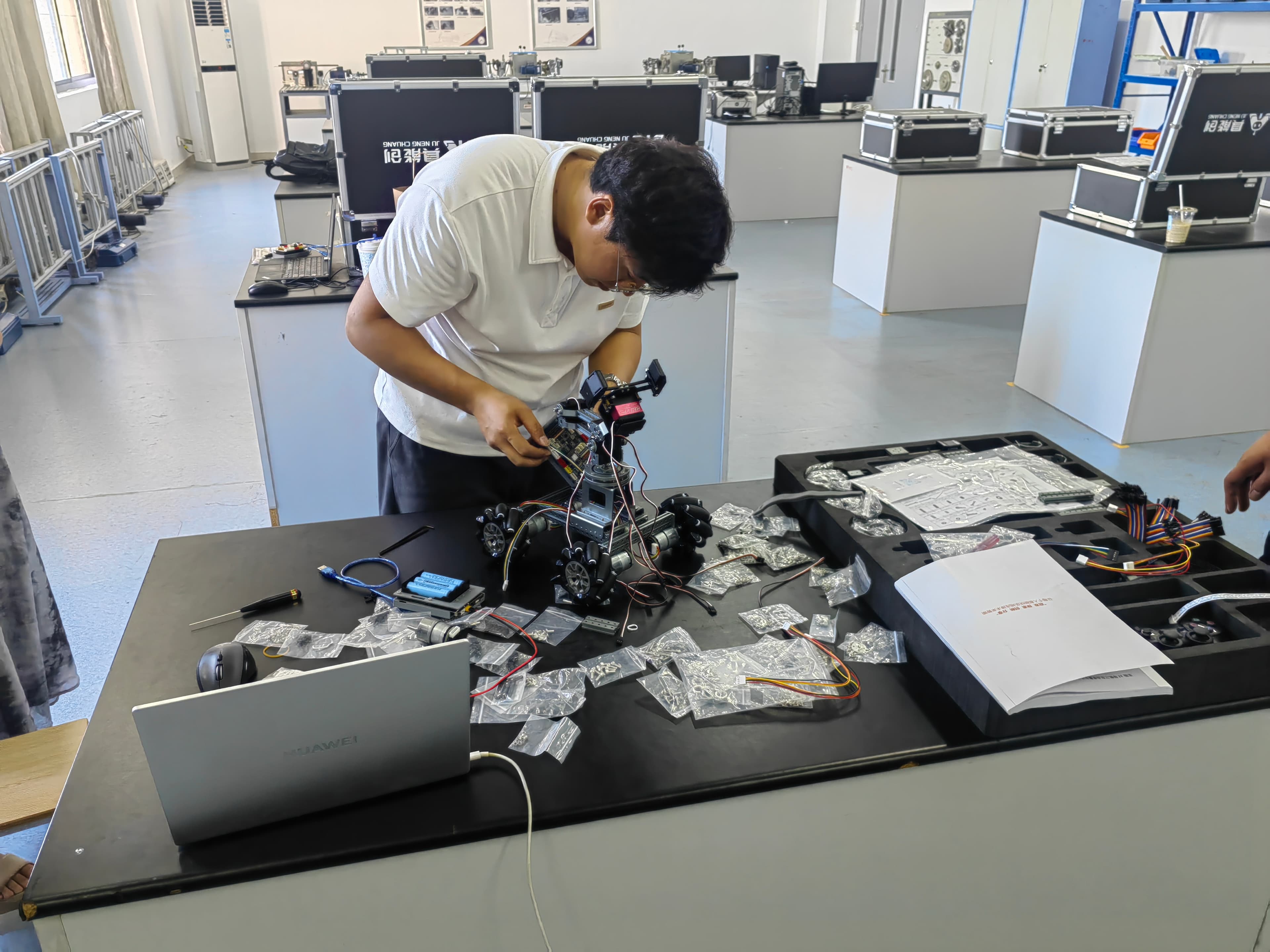
Case 5: Anhui University of Information Engineering
Previous mechanical courses heavily focused on drafting and assembling non-motorized transmission structures. The lack of practical operation made it difficult for students to grasp theoretical principles. 1. Reform the fundamental mechanical design practice course by using robots as the design object.2. Enable students to build a complete mechanism from scratch.3. Meet initial training requirements for basic competitions. 1. Customized M-Series products focusing on mechanical mechanisms, including linear motion, linkages, and gear sets.2. Extracted typical transmission mechanisms, providing illustrated course packages and hands-on teacher training.3. Dispatched engineers to guide specialized competition training.
View Details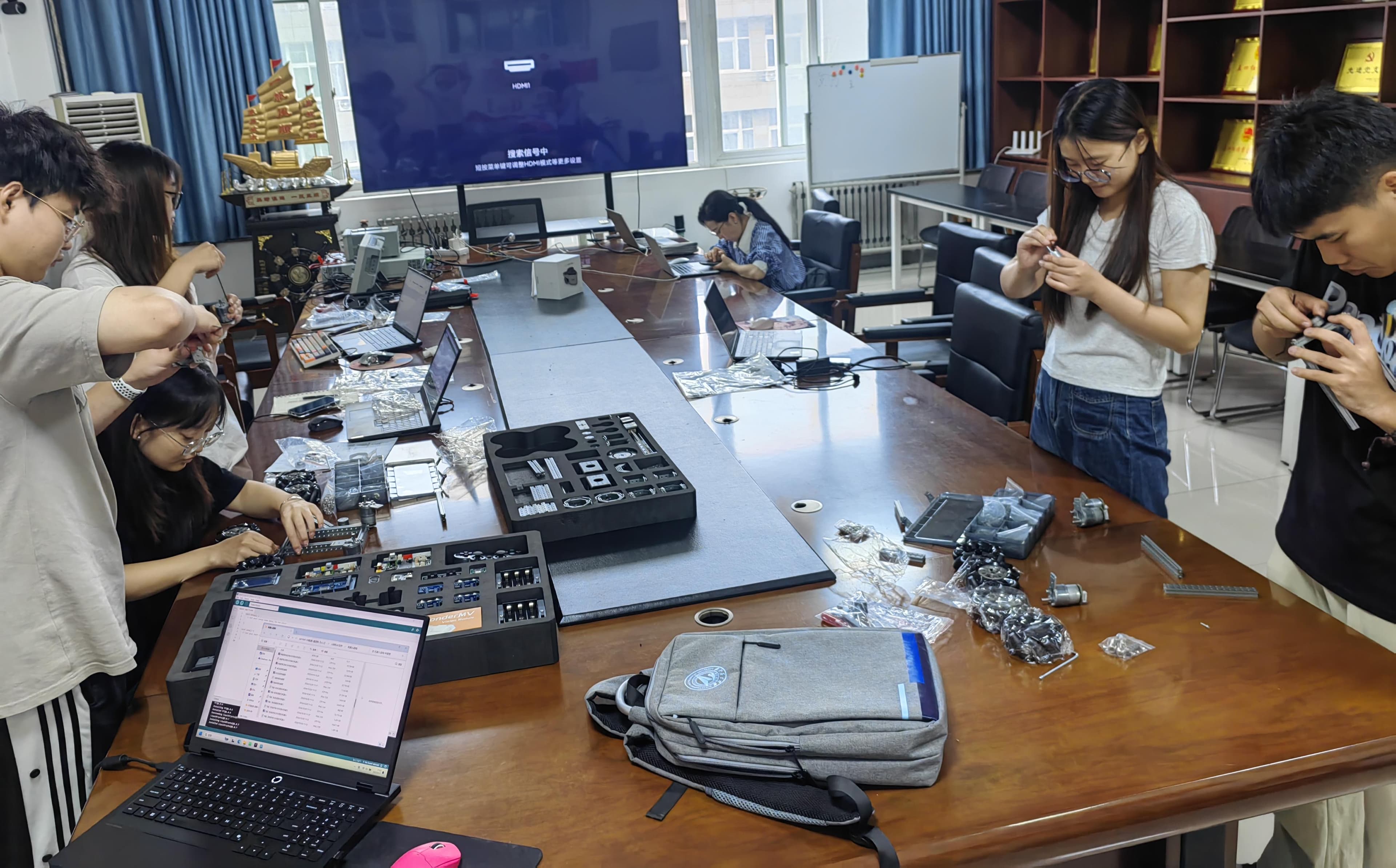
Case 6: Xi'an Technological University
The college expanded its graduate enrollment, but the robotics competition club lacked systematic design and succession planning. Incoming graduate students often lacked foundational robotics knowledge. 1. Establish a comprehensive robotic innovation design course for both undergraduates and postgraduates.2. Meet the educational demands of robotics competitions.3. Prepare a progressive set of practical training projects. Supplied 10 intelligent robotics platforms and launched the 'Robot System Design' lab course. The course features progressive experiments on robotic arm design, mobile robots, and compound robots, covering everything from mechanical and circuit assembly to advanced algorithm design.
View Details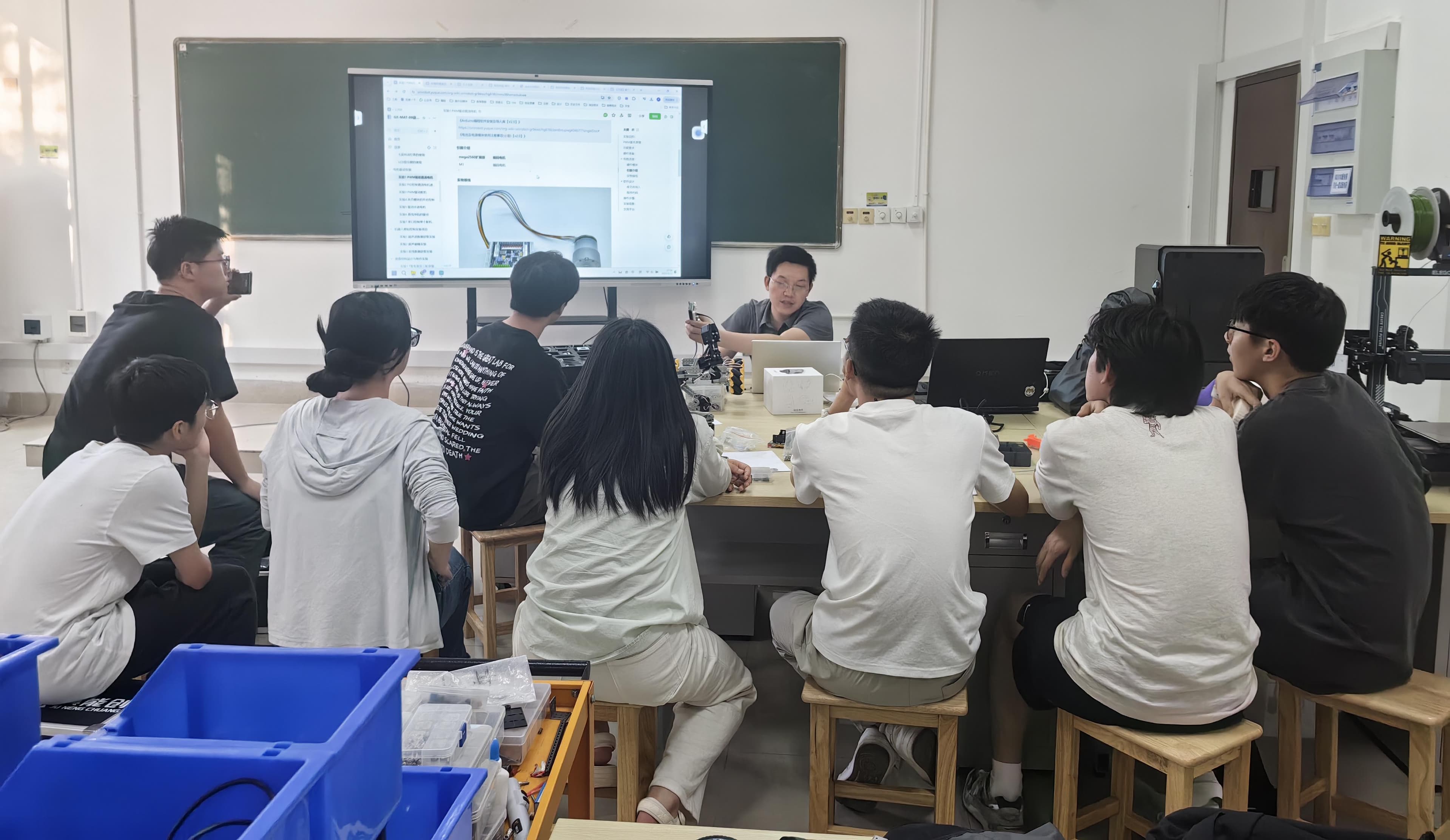
Case 7: Jiangxi Science and Technology Normal University
The School of Intelligent Manufacturing previously had a highly successful robotics studio. However, campus relocation caused a disruption in student continuity. They urgently needed systematic reconstruction to attract incoming freshmen. 1. Conducted an intensive one-day hands-on training session.2. Developed a training manual with 10 progressive projects. Students receive competency certificates upon completion.3. Supplied 30 highly compatible GX-MAT-09S platforms and 40 WR2 devices specifically for ROS learning.4. Established a long-term dedicated online group for prompt engineering and technical support.
View DetailsDiscover how institutions integrate our platforms into practical training and lab construction.
Our support team will respond via email as soon as possible.